
Financing

Financing Your Roof

Roof financing in Wisconsin, in the order it should be considered: the insurance claim first, then a payment plan for a new roof, then a lender. A roof rarely fails at a convenient moment, and a tarp should not have to last all winter.

The Situation

How To Pay For A Roof In Wisconsin, In Order

Roof financing in Wisconsin, in order: if a storm did it, the insurer is the lender you already have and § 628.46 puts a thirty-day clock on payment; a payment plan across the job bridges the second check; a lender with fixed monthly terms is for a roof that failed with no claim. The price is the same whichever you choose.

Most roof replacements are unplanned. Either a storm forced it or a leak did, and either way the timing was not yours. The regional benchmark for a full asphalt replacement is $29,253 — the 2025 Cost vs. Value Report, for a 30-square roof — and few households have that in the current account in the week a ceiling starts to drip.

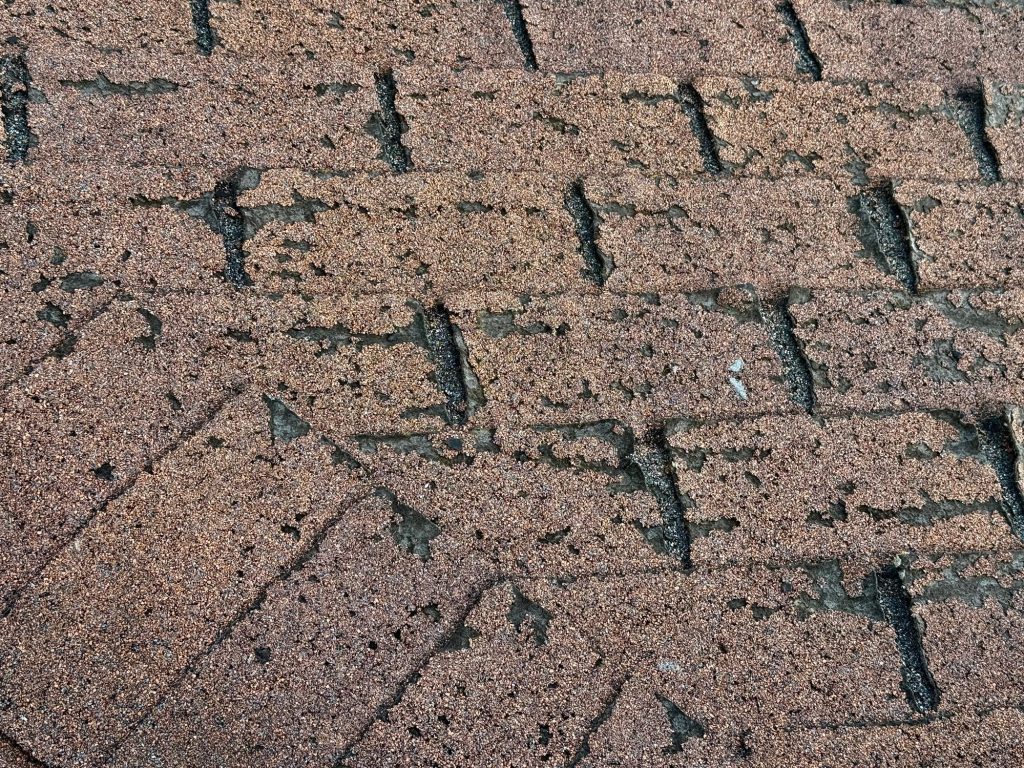
Without a payment option the choice is pay in full or wait, and waiting on a roof is how a repair becomes a rebuild: soaked decking, wet insulation, a ceiling, then mold. We would rather give you a third option than watch a small leak become all of that. Here are the options, in the order we would look at them.
Options

Ways To Pay For A Roof, In Order

The insurance claim

Where a storm caused it, the insurer pays their share and you pay your deductible. Often the whole answer, and the first question on any inspection after hail.

How claims work

A payment plan

Split across the job for larger replacements. Talk to us — it is a normal conversation about terms on a written contract, and it does not affect the price.

Third-party financing

Fixed monthly terms through a lender, with the application handled at the estimate rather than at a kitchen table at nine at night. The lender decides, not us.

Card, check or bank transfer

For repairs and smaller jobs. No surcharge for paying by card.

Storm Losses

The Claim Is The First Payment Option

If a storm did it, the insurer is the lender you already have. On a replacement-cost policy the sequence is two payments: the depreciated value less your deductible up front, then the withheld depreciation released when the roof is on and invoiced. On the benchmark roof with a flat $2,000 deductible, that is $27,253 from the insurer and $2,000 from you — the worked example shows it line by line, and shows what an actual-cash-value policy does to the same roof.

Two things about timing. The first payment has a statutory clock, below. And the deductible is yours: any contractor offering to absorb it as a financing arrangement is offering something Wis. Stat. § 100.65(2) bans outright, with a $500 to $1,000 forfeiture per violation. Why that costs you.

Plainly

What Financing Is And Is Not For

A roof that has failed

Water in the house, a roof past repair, no claim to fund it. That is what a lender is for, and a fixed monthly payment is cheaper than the decking, insulation and drywall a winter under a tarp costs.

Bridging the depreciation

On a replacement-cost claim the second check comes after the invoice. A short plan across the job covers the gap without borrowing the whole roof.

Not a roof that can wait

If the inspection says six years, the answer is to plan and save, not to finance. We will say so; the free inspection is how you find out which you have.

Not the deductible

You can spread your deductible on a plan. You cannot have it waived, discounted or absorbed — that is a forfeiture on the contractor and a fraud referral for you.

Resale

What A Roof Is Worth When You Sell

The same report that benchmarks the cost puts the resale value of a new asphalt roof at 69.2% of the job cost in this region. So it is not an investment that pays for itself — it is a repair that removes an objection a buyer would otherwise price into their offer, usually more harshly than you would. Financing a roof to sell the house is a decision about the sale, not the roof, and the cost guide has the Madison and Milwaukee figures to make it with.

Straight Answers

Financing Questions

No. The price is the price, and it is the same whether you pay in full on completion or over time. It is written into the contract that ATCP 110.05 requires — materials by make and grade, dates, total and warranty — and the financing is a separate agreement with a separate lender. A contractor whose cash price and financed price differ is charging you the finance cost twice.

A third-party lender will run a check, as any lender does, and the account appears on your file like any installment loan. A payment plan directly with us does not involve a credit check and is not reported. If your credit is bad, say so at the estimate: a lender may decline or price the risk, and the honest alternative is often a smaller job now — a repair that buys two years — rather than a loan you cannot carry.

You can spread it, and that is legitimate — a payment plan on a written contract is a normal conversation about terms. What is not legitimate is any contractor offering to absorb, waive or discount it: Wis. Stat. § 100.65(2) bans the offer itself, in advertising or in person, and defines a rebate to include any allowance, credit or coupon. The deductible page explains why the homeowner carries the risk.

No. Take the written estimate away, sleep on it, and get another quote. We would rather you were sure. If you do sign at home and change your mind, Wis. Stat. § 423.203 gives you until midnight of the third business day to cancel a contract a seller initiated at your house, and ours carries that notice.

They are the lender’s, they change, and we would rather hand you the current sheet at the estimate than print a rate here that is out of date by spring. What we can say is what to compare: the APR, the term, any fee for early repayment, and whether the rate is fixed. A monthly figure without those four numbers beside it is a sales tool, not an offer. The FAQ covers how we quote.

Related

Related Roofing And Insurance Pages

The questions we get asked

Cost, timing, permits, insurance and warranties, answered plainly on one page.

Roofing FAQ

About us

Where the shop is, who is on the crew, the credentials to check, and why a local roofer’s warranty means something.

About

Insurance claims

The first payment option after a storm, with the statutes that govern it quoted.

Claims

Roof replacement

What the money buys: the tear-off, the code items and the independent benchmark.

Replacement

Free Inspection

Roof Failed Before The Budget Did?

Free inspection first. Then the honest order: the claim if a storm did it, a plan across the job, a lender last — and the same price whichever you choose.